Archive for July, 2011
More Power!
Posted by Adam A. Ries in Exterior, Home Improvement on July 8, 2011
Thank you Tim Taylor (Tim Allen) in one of his most famous lines from the family television classic of my childhood, Home Improvement. What is it that I need “more power” for? Well, power washing, of course!
To save time scraping and scraping in a futile attempt at removing the loose paint from the exterior of my house, I have decided to use a power washer in place of endless hours of scraping. I have had several people warn me about the possible dangers of power washing cedar shingles, so I plan on using the power washer to remove the loose paint on the gables of the house where there is currently flat wood siding.
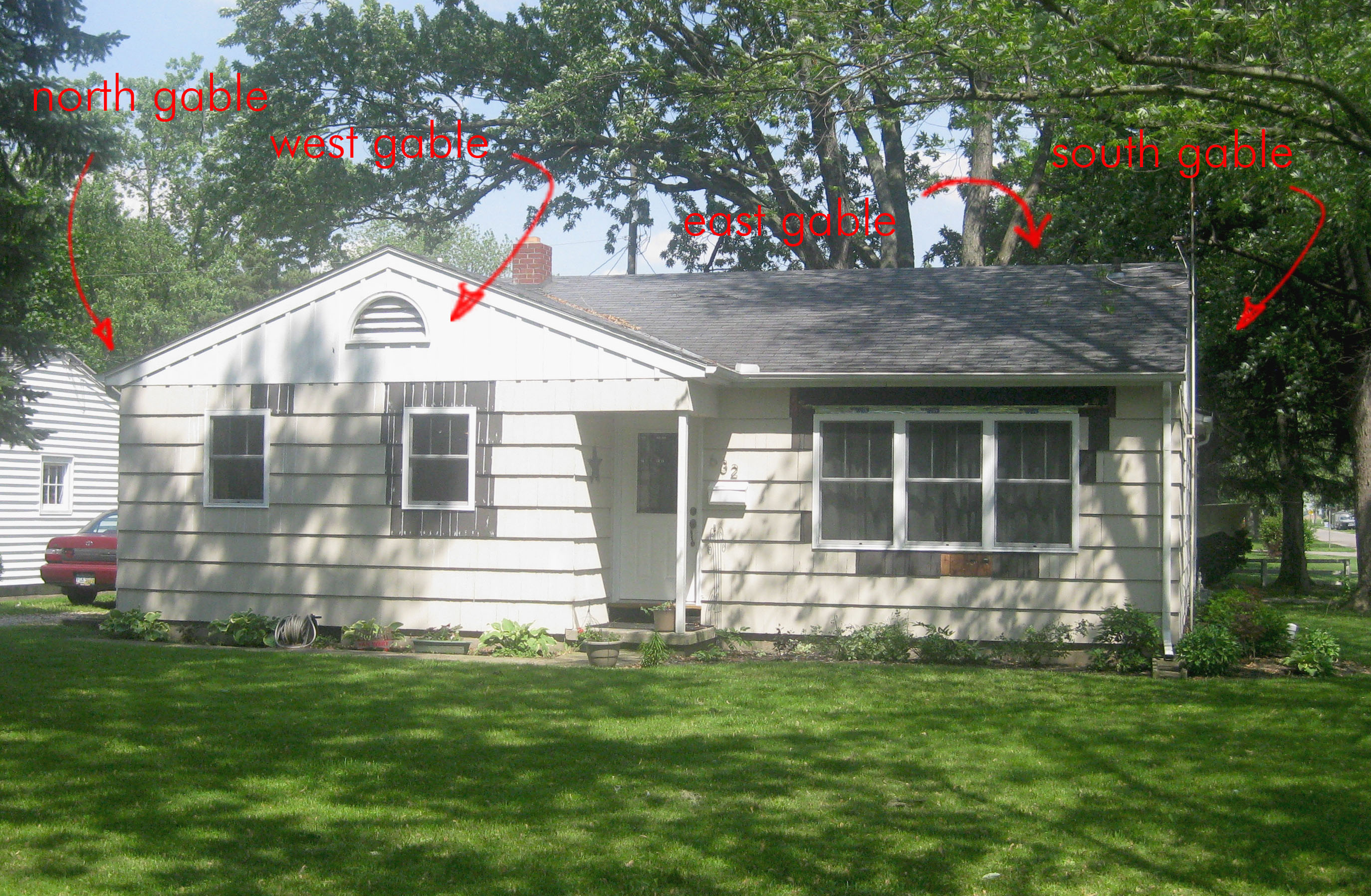
The paint on the shingles is, for the most part, still adhered quite well. Certain areas are peeling, however, and we plan to remove all the loose paint from those areas by scrubbing them with a stiff bristled scrub brush. We planned on washing the shingled walls with a mild detergent anyways, using a stiff bristled broom to speed things up. Having a few people help with large scrub brushes shouldn’t take too long. I hope. The primer we are using is specifically formulated to bond over failing paint, although it does recommend removing all the loose paint first. It is supposed to help seal the edges of the areas where the paint has peeled off, so that your new layer of paint won’t be ruined by the paint underneath continuing to peel.
I have watched several online videos with hints and helpful suggestions for using a power washer to remove paint, hopefully I have gleaned everything I need to know. I even found these tips in the form of a checklist:
1. Locate your exterior power outlet if you are using an electric pressure washer, and your outside water faucet.
Although we wish there were, there are actually no exterior power outlets on our home (future project?). A heavy-duty extension cord through a slightly open window will do the trick (just make sure it’s not the window directly near where you are working so as not to pressure wash the inside of the house). We do have water faucets on both the west and south sides of the house, and a garden hose long enough to reach around on the two remaining sides.
2. Close all windows and seal any small holes in the windowsills.
Windows will be closed tight (except for the one with the extension cord), and there are no holes in my new windowsills!
3. Remove any shutters, this is a favorite place for spiders and wasps so you want to power wash really well underneath.
Although I did include shutters in this rendering of how the house will look once it is painted, my house currently does not have shutters. So no worries there. Although we still get more than our share of spiders and webs under the eaves.
4. Make a note of the location of outdoor lighting fixtures and mailboxes, as you won’t want to spray those.
We have a porch light mounted on the ceiling above the front door and a wall fixture to the side of the back door. There is an ancient and ugly broken motion-sensing light on the back corner of the house (why haven’t I removed it before now?) but it’s breaker is turned off. I plan on replacing it with a soft flood light after we paint so that when I pull into the back driveway at night, I have illumination to find the house key while walking to the back door. On dark nights, it is a pitch black walk between the house and garage.
5. As for personal gear goggles and wet weather outerwear are a good idea …you can bet on getting wet!
I have safety goggles that I wear whenever dust, debris, or injuries are possible. It is supposed to be a little on the warm side tomorrow, so I have no problem wearing some swimwear.
Now… where is the tip about using a pressure washer while standing on a ladder? In each of the tutorials I watched, they were standing firmly on the ground. In order to get close to the paint on my homes gables, I am going to be on a ladder. You know how powerful those car wash sprayers feel after you are gripping for 60 seconds? Yeah, imagine in your mind the picture of me holding a more powerful version of one of those while balancing on a ladder 8 feet in the air. That is what I am imagining also.
As for the shingled areas of the house, I was given this tip by a friend who has much more experience in this area: most DIY’er who attempt to pressure wash cedar shingles end up damaging the shingles. Cedar, after all, is actually a soft wood. Sure, it holds up to water extremely well, but not at 2400 – 3000 psi. He said that if the power washer is powerful enough that it hurts your hand, it is too strong to use on the shingles. And by all means, DO NOT start your pressure washer on full blast and put your hand into the spray! Start at the lowest pressure, and build up the pressure until it just starts to sting, this is as powerful as it can be and not damage the cedar.
Do any of you have cedar shingles on your house? Have you ever used a pressure washer before? While standing on a ladder? Did you break anything?
Live and Learn, and then the Consequence
Posted by Adam A. Ries in DIY, Home Improvement on July 6, 2011
What in the world could that title mean? Well, I try to do as much research as I can before I undertake any project. I can’t tell you how much I read and gleaned from other DIY’ers before attempting to install new windows myself. And the windows installed great and still look wonderful. But because this house has cedar shingle siding, I had to butt the shingles up behind the J-channel on the new windows. Ok, the world’s most annoying jigsaw puzzle, but I did it. The shingles didn’t fit together as tight as they did before I tore them off, so I decided a thin bead of silicon in the gap would help make the siding around each window that much better waterproofed. And yes, they are waterproof. However…
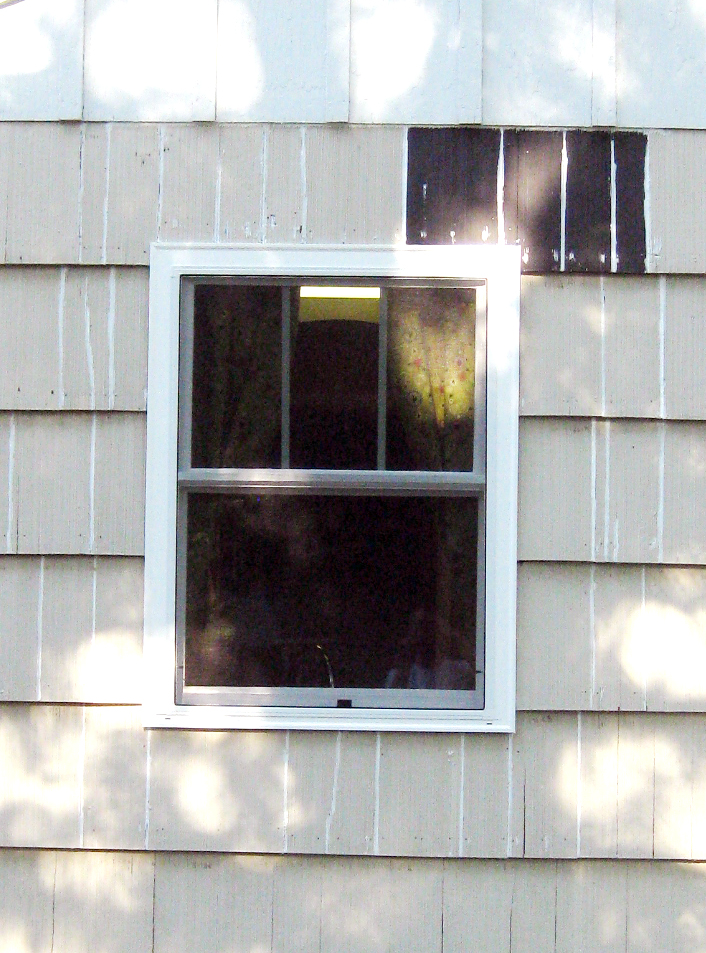
What I didn’t realize is that there are two types of people silicone caulk in this world. Those that can be painted and those that cannot. Guess what. I used the wrong stuff. I have tried multiple primers and nothing sticks to 100% silicone caulking.
I have found some tips online for getting paint to stick better to the unpaintable silicone but none of them are long-term solutions. (Why can’t they just print UNPAINTABLE in large red letters on the tubes of caulking? And maybe one of these built it handshake buzzers so you know you’ve picked up the wrong one.) They all report that the paint will begin to peel in just a few short years. Not what I want after purchasing expensive paint that should hold up for at least 10 + years. So I got a professional opinion from the friendly folks at our local Sherwin-Williams store. That’s where we are purchasing our paint and primer from so they already know about the work I have been doing on the exterior of the house to get it ready to paint (see the winning paint colors in this post).
They recommended, to my dismay, removing ALL of the unpaintable caulking from the seams between the cedar shingles. So this definitely might delay our July 15th Weekend of Painting Extravaganza. I spent this past Saturday using a combination of utility knive, scraper, screwdriver, and wire brush wheel removing the bad caulking from the shingles around just one window. Definitely spent over 3 hours, was covered in dust from the multiple layers of paint that the wire brush wheel removes, and found out that it is extremely difficult to remove all the bad silicone without damaging the cedar shingles.
Once the bad silicon is removed and all the dust is washed off, I can apply the new paintable silicone to fill the seams and hide the damage caused by removing the bad silicon. And then the shingles will be ready to wash, prime, and paint.
It takes forever, it is noisy and dusty and I sweat, and the dust sticks to my skin. And I still have 8 windows to go. Wish me luck.
But to end on a happier note, check out these pictures of the windows that I sided around with the new cedar shingles! If they weren’t so darn expensive, I would have just used all new instead of reusing as many of the old as we could. But seriously, over $150 for a bundle of shingles that would side a 10′ x 10′ area of wall. No wonder people aren’t jumping to re-side their homes in sustainably harvested cedar – no one could afford to! So take in the beauty of these good smelling cedar shingles! I will get back to digging and scraping out the bad silicone…


 Up and Adam [Ries]